← All projects04/07 · Large addressable market · Built-in word-of-mouth potential · Nearing completion
Product case · D&D board game
A D&D board game for everyone.
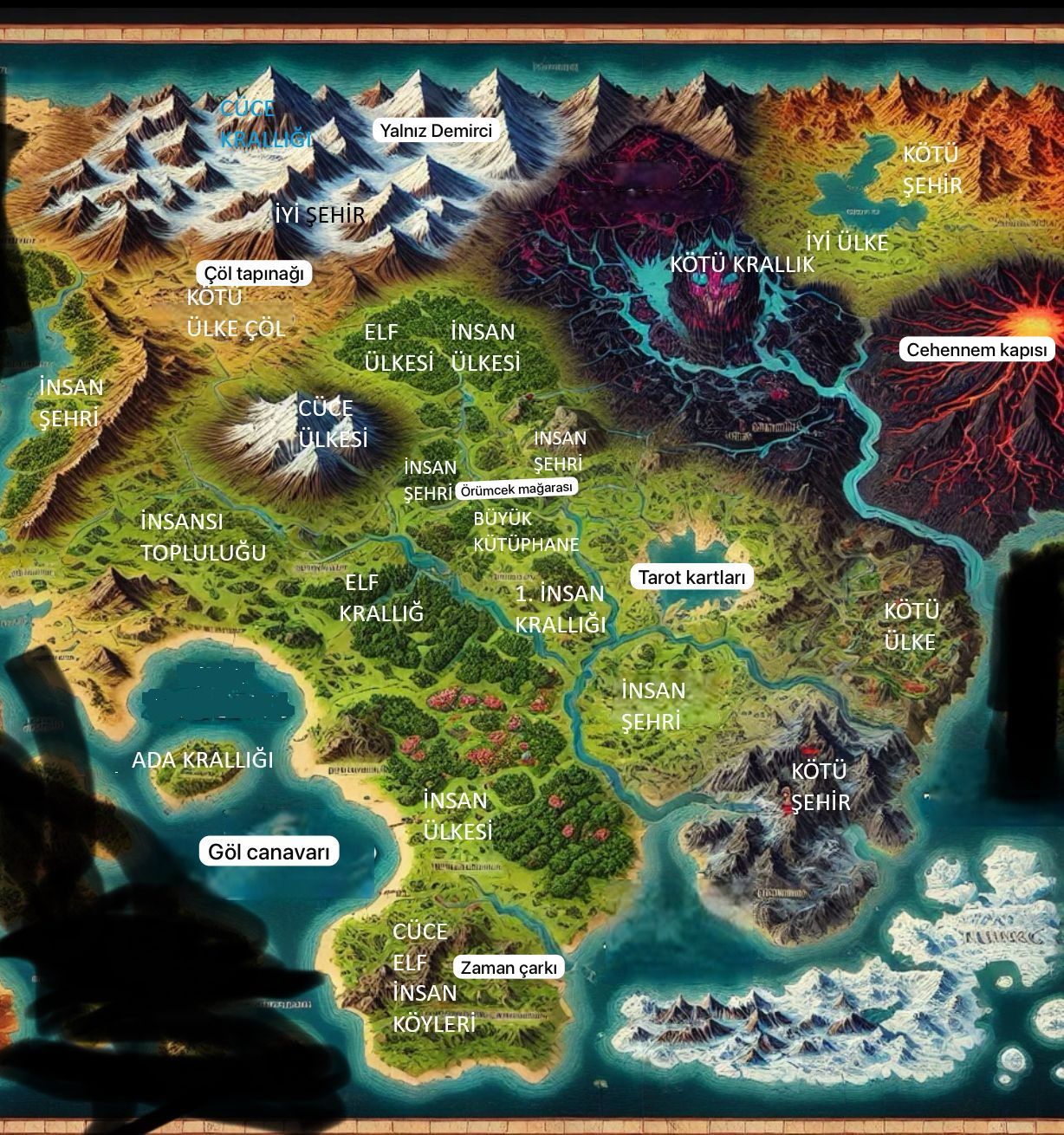
A product concept that turns my original fantasy universe into a 4-player + 1 GM format that even people who have never heard of D&D or tabletop role-playing can play in one evening.
- Format
- 4 players + 1 GM
- Session
- Approximately 5 hours
- Structure
- 17 designed endings + an open-ended outcome
- Audience
- First-time tabletop role-players

In short
For new players, the barrier is not a lack of imagination; it is the weight of rules, calculations and terminology they are expected to learn before they can begin.
Opportunity
People love the world, but get lost in the rules.
Games such as Baldur's Gate 3 have expanded interest in fantasy role-playing, yet moving to the tabletop still feels difficult. Rulebooks, character sheets and calculations create a high barrier before the first session even begins.
The product's central question became: how far can I reduce the learning burden while preserving the freedom of choice that makes tabletop role-playing compelling?
Product promise
Learn, decide and reach your own ending in five hours.
The game is designed as a one-evening experience for four friends and one GM. Instead of explaining the rules before the story begins, it teaches them inside the game at the moment they are needed.
I reduced the calculation burden while keeping player choice and shared group decisions at the centre.
- A clear entry point for first-time players
- Guidance that reduces preparation time
- Decisions that produce visible consequences in the world
- Straightforward storytelling for a broad player profile
System
Moving complexity away from the player and into the design.
Looking simple does not mean the system itself is simple. The possibilities, connections and consequences the player never sees must still be built behind the scenes.
I designed NPCs with a five-part template covering a physical or auditory hook, voice, motivation, red line and persuasion condition. Hidden state rolls and bonus or penalty dice based on how players describe their actions keep the calculations with the GM while preserving the weight of each choice.
- 17 written endings, plus variations generated by player decisions
- The Great Library system, where risk rises as time passes
- A tarot-matching puzzle with 18 outcomes
- The Golden Sword trial, opening into four distinct solution paths
Validation plan
Test the first 30 minutes, not the entire rule set.
The next step is to test the opening session with groups who have never played a tabletop RPG. Success will not mean remembering every rule; it will mean making a meaningful decision within the first 15 minutes.
Onboarding time, the number of GM interventions, single-session completion and willingness to replay will guide the next iteration.
What stayed with me
Building a universe is creativity; guiding someone into it for the first time without losing them is product design.
Let’s work together